


 Cover image via
Follow us on Instagram, TikTok, and WhatsApp for the latest stories and breaking news.
Transferring car ownership in Malaysia is a straightforward process, as long as you come prepared
Whether you're selling or buying a used car, or transferring ownership from a family member, the whole process needs to be done in a Road Transport Department (JPJ) branch.
Here are important documents you must bring along:
1. Original Vehicle Ownership Certificate (VOC)
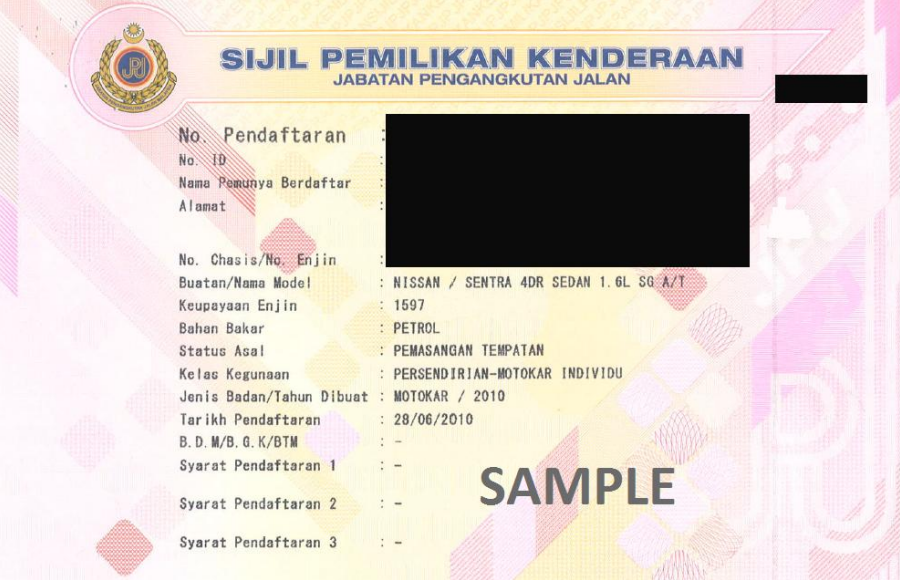
The Vehicle Ownership Certificate (VOC) is proof from JPJ that the car belongs to you. You'll need the original copy provided when you first purchased the car, not a photocopy or digital version.
If you have trouble finding it, you can request a replacement at any JPJ branch for a small fee.
2. Identification documents of both the buyer and seller
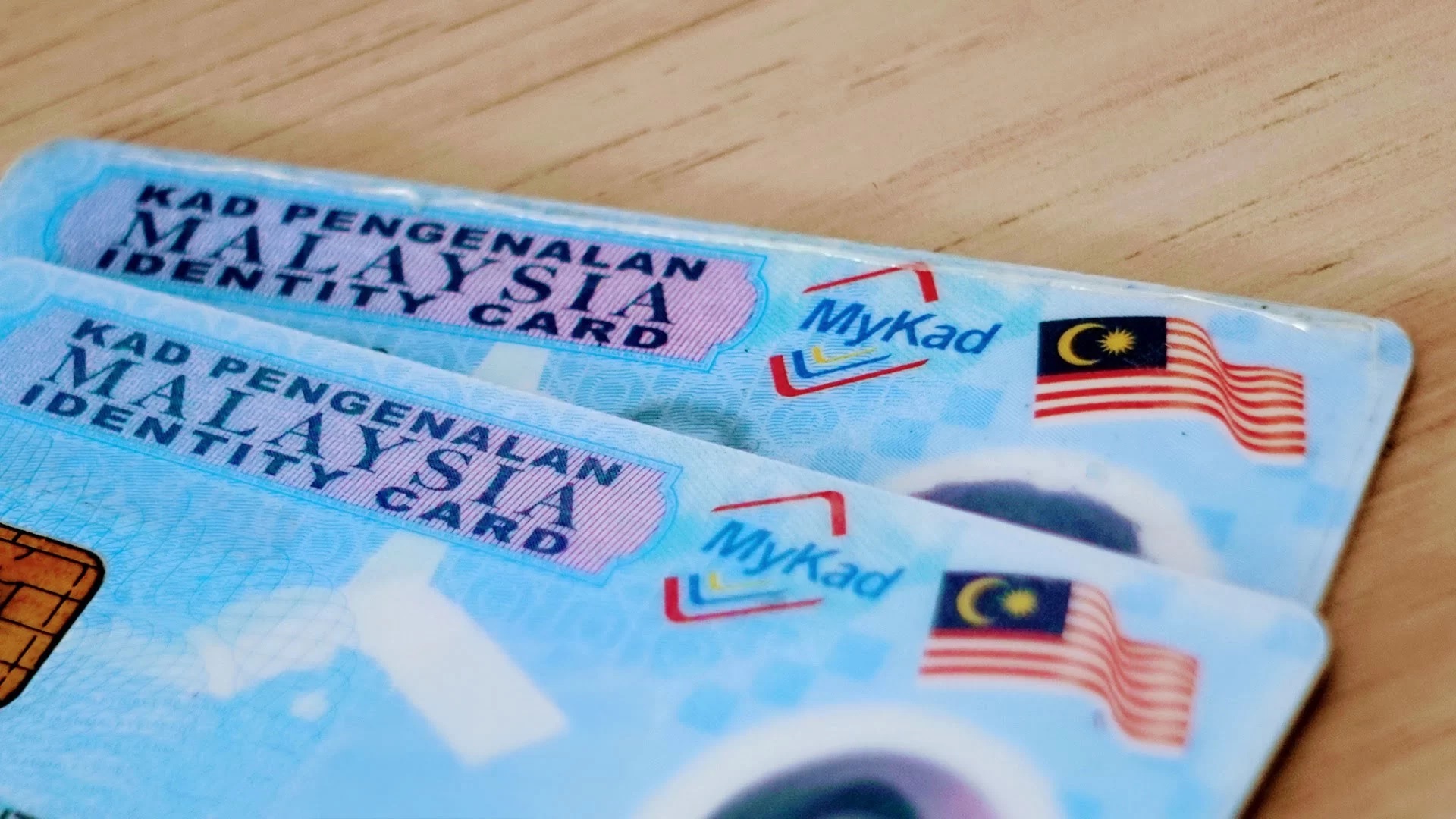
Both parties must provide their MyKad (for Malaysians) or passport (for foreigners). JPJ uses these to verify identities and cross-check against the vehicle database.
In the event that either party can't be present, an authorisation letter must be submitted along with a certified copy of the ID.
3. PUSPAKOM inspection report (B5 Form)
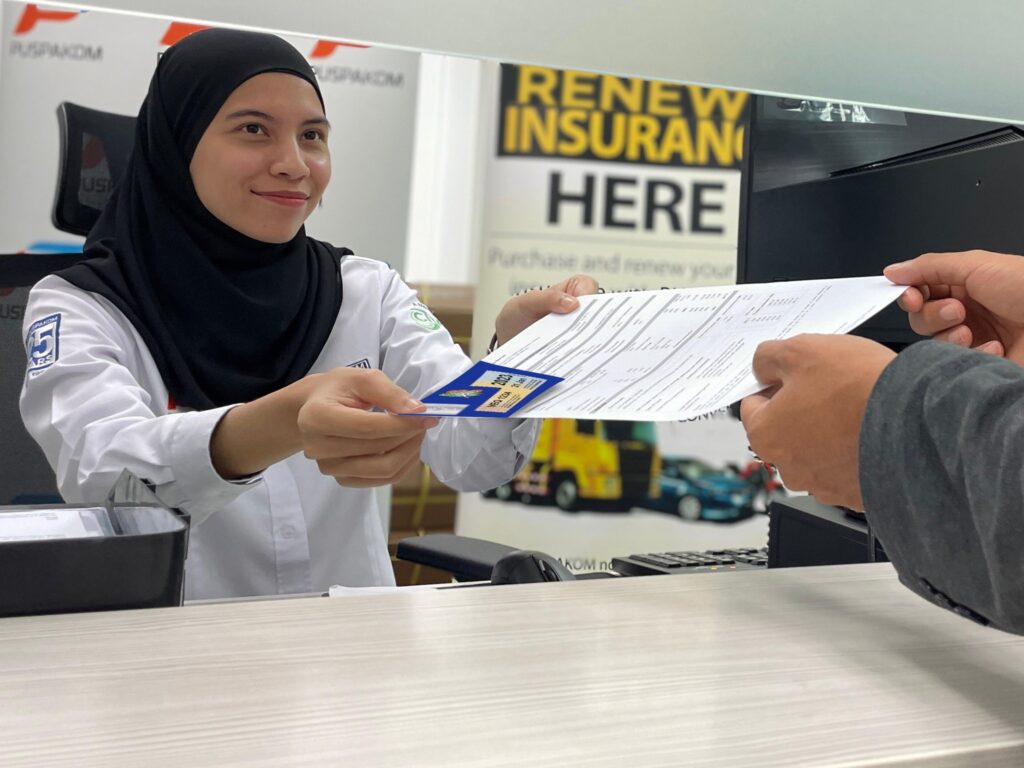
Before you can transfer ownership, your vehicle needs to pass a PUSPAKOM inspection to confirm it's roadworthy and not stolen. The inspection report, known as the B5 Form, is valid for 30 days from the inspection date.
You can learn more about how to bring your vehicle in for a PUSPAKOM inspection here.
4. JPJ documents (K3, K8, and K9 Forms)
| Form | Form Name | When It's Needed |
|---|---|---|
| K3 | Notice of Transfer of Ownership | Required for all ownership transfers between buyer and seller |
| K8 | Application To Amend Vehicle Registration Record | Used to correct vehicle record details like address or name before transfer |
| K9 | Ownership Transfer Notification (Deceased Owner) | Used when the current owner has passed away; requires supporting documents |
You can download all these forms from the JPJ official portal or fill them out directly at the nearest JPJ branch.
5. Insurance cover note under the new owner's name

Before the ownership can be transferred, the new owner must have valid insurance coverage under their own name for that vehicle. The insurance company will issue a cover note that you'll need to present to JPJ.
Do note that you must settle any outstanding fines, loans, or summons first
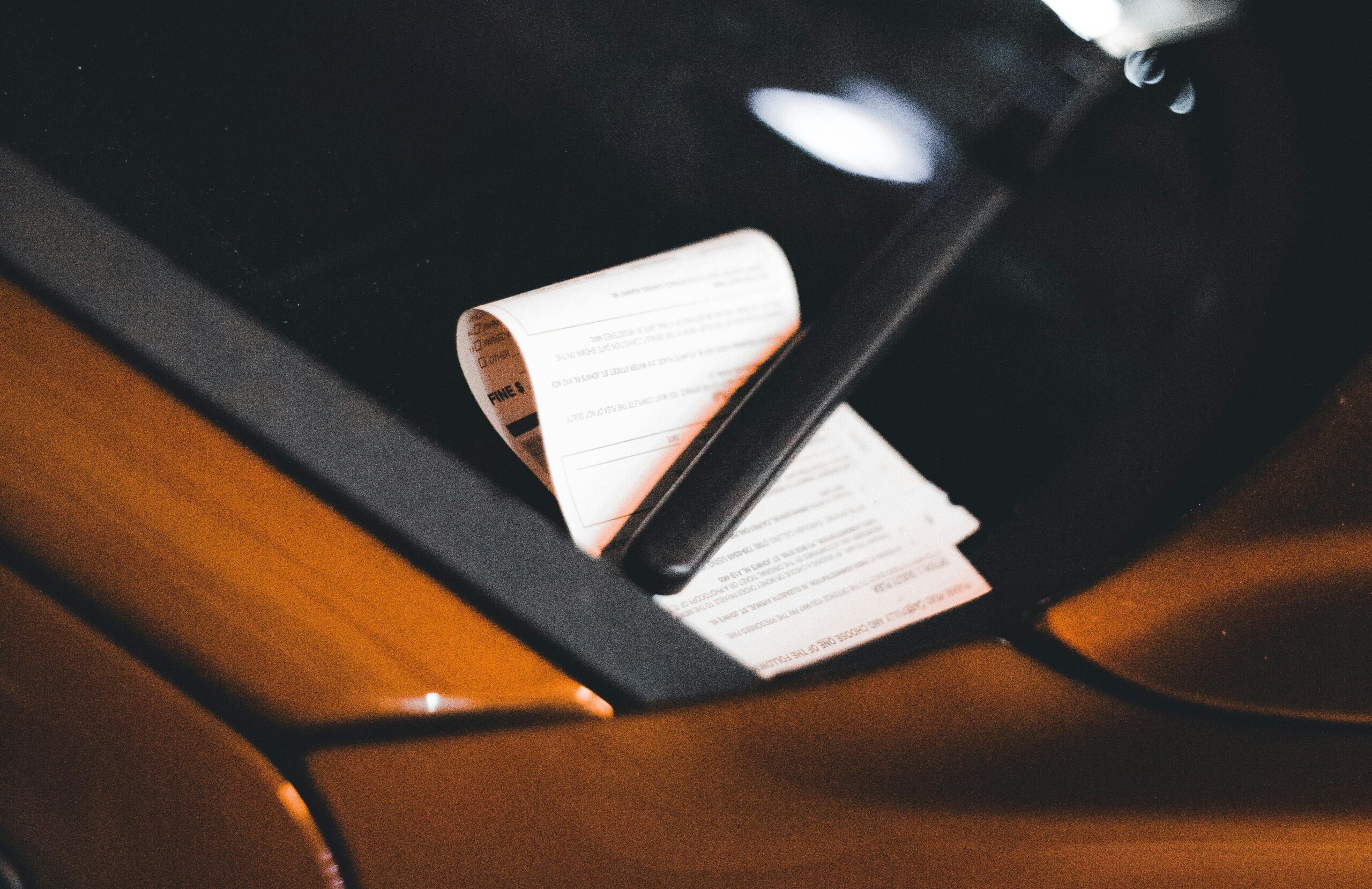
JPJ won't process your transfer if there are unpaid traffic summons, bank loans, or other fines attached to the vehicle.
You can check for outstanding fines on MyEG, the MyJPJ app, or PDRM's online system before your appointment.
Both the buyer and seller must also be present for biometric verification
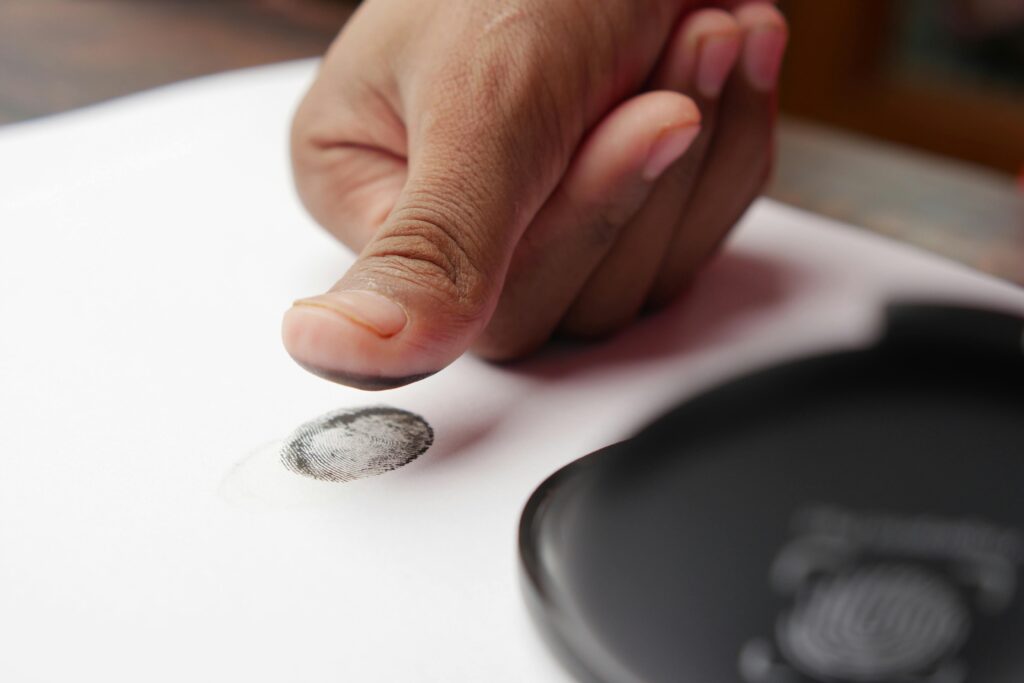
At the JPJ counter, both parties are typically required to be there in person for thumbprint authentication. This confirms the legitimacy of the transaction.
If either party can't attend, an authorised representative can act on their behalf, but they must bring an authorisation letter and all necessary supporting documents.
Make sure to update road tax and insurance details after the transfer

Once ownership has officially changed hands, the new owner must renew road tax and update the insurance policy under their own name.
Driving with the previous owner's insurance is not valid, so it's best to get this done immediately after the transfer is completed.
