


 Cover image via
 Follow us on Instagram, TikTok, and WhatsApp for the latest stories and breaking news.
This Spotlight is sponsored by MCMC.
The Malaysian government is considering a proposal to ban children under the age of 13 from having social media accounts

Although certain platforms have already set 13 as the minimum sign-up age, many children are still able to bypass these restrictions. To address this, the Malaysian Communications and Multimedia Commission (MCMC) is exploring stricter age verification measures, digital literacy programmes, and stronger parental involvement.
To better understand the implications, we spoke to Prof Madya Dr Fauziah Mohd Saad, a counselling and psychology expert from Universiti Pendidikan Sultan Idris (UPSI), on what this move could mean.
Experts generally agree that children at a young age are especially vulnerable to the threats of social media
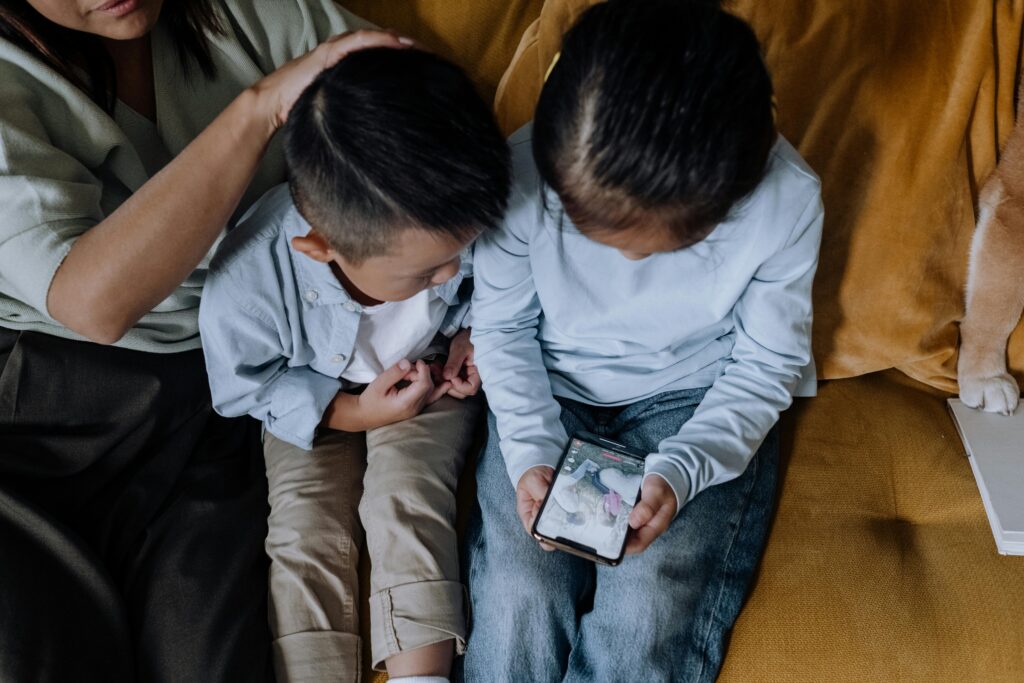
WHO findings from 2024 show that about one in six adolescents have experienced cyberbullying, marking a steady rise in online harassment among young people.
"Children under 13 are not yet mature emotionally, socially, or cognitively. They are unable to assess risks such as cyberbullying, scams, or exploitation. Additionally, they are easily influenced by inappropriate content and do not yet understand the concepts of privacy and digital boundaries," said Dr Fauziah.
"The main risks include emotional distress (such as anxiety and depression), unrealistic social comparisons, cyberbullying, and body image issues. Studies have also shown higher rates of depression and sleep disturbances among teenagers who have been active on social media from a young age," she added.
MCMC is studying tools like electronic Know Your Customer (eKYC) checks, as well as education modules on online safety for teenagers

MCMC is also rolling out wider measures to protect young users. These include a new regulatory framework for social media platforms and codes of conduct for service providers. The commission is also working with social media platforms, the police, and telcos on initiatives such as parental control tools, content takedowns for scams and child exploitation, and stricter requirements under the upcoming Online Safety Act 2025.
"These amendments strengthen children's data protection, mandate age verification, and impose stricter penalties for digital exploitation offences."
"The Online Safety Act 2025 also requires digital platforms to swiftly remove harmful content and to provide user-friendly complaint systems," Dr Fauziah explained.
Parents are often described as the "first line of defence" in shaping their children's relationship with technology

This includes setting boundaries, monitoring usage, and modelling responsible digital behaviour.
Dr Fauziah mentioned that parents should be involved more in children's online account registration processes for various platforms. She had also emphasised that digital literacy and awareness training for parents and teachers is a form of cooperation that should be strengthened among agencies, schools, and parents on children's digital safety.
Initiatives like MCMC's Safe Internet Campaign aim to raise awareness about online safety across families, schools, and communities
Such campaigns often highlight practical tips for safer browsing, while encouraging young users to be mindful of their digital footprint and to educate parents on how to guide their children in the digital age.
Operations like 'Ops Pedo' led to arrests and seizure of over 40,000 pieces of child sexual abuse material (CSAM). They also removed large volumes of scam/fake-content online. In early 2025, over 32,000 scam-related content items were taken down. The programmes 'Klik Dengan Bijak' and Malaysia ICT Volunteers are also being used to promote critical thinking online and responsible internet habits.
According to Dr Fauziah, strong cooperation between agencies, schools, and parents is vital for children's online safety. This includes providing digital safety education for teachers and parents, adding the topic to school lessons, setting up easy reporting systems, and sharing information between cybersecurity agencies, police, and the Education Ministry for faster, coordinated action.
For more #lifestyle stories:
- The Content Forum Wants Your Feedback On Proposed Revisions To The Content Code
- Youths Present Bold Policy Ideas To Malaysian Government & Call For Stronger AI Safeguards
- MCMC Unveils New High-Tech Trucks That Offer Super-Fast Wireless Internet During Disasters
Got some cool brand news to share?

Take a look at all of our Spotlight stories to date here.
Catch up on the latest brand buzz!
- BUDI95 Is Easier When You Setel Je! Find Out How
- "Just 1 Station To TRX" — A Rare Freehold Transit-Oriented Investment In The Heart Of KL
- Find The Right Fit For Your Child At Sunway International Schools' October Open Day
- PTPTN Brings Back BMS 2025 With Fun Family Activities & Strong Reminder To Save Early
